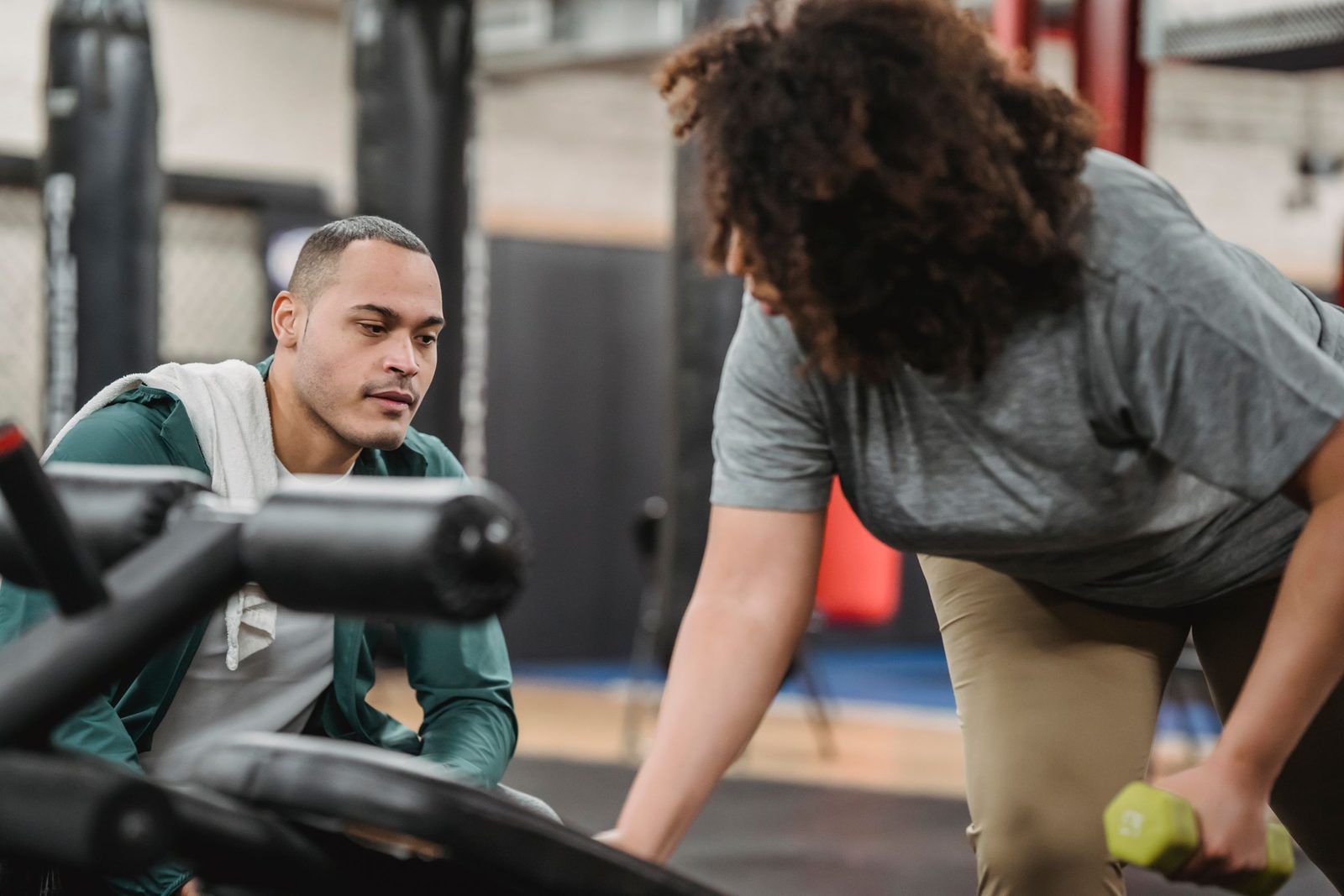
Starting something new can feel bigger than it is. Many people put off training because they think they need to be fitter first, buy the right gear, or follow a perfect plan. You do not. The best first month is a gentle one that you can repeat.
Here is a simple way to approach it.
The goal of month one
Your aim is not to transform your body in four weeks. It is to:
- Learn a handful of basic movements.
- Make exercise a normal part of your week.
- Finish each session feeling better than when you started.
If you do those three things, you have already won.
Before you start
If you have a medical condition, are returning after an injury, are pregnant or postpartum, or are unsure whether exercise is right for you, talk to your doctor or an appropriate health professional first. Then pick a time in your week that you can realistically protect, and put it in your calendar.
Week 1: Learn the basics
Do two short sessions of about 20 to 30 minutes.
- Warm up with 5 minutes of easy walking and gentle joint movements.
- Practice a few basic movements: sit-to-stand from a chair, a hip hinge, a wall or incline push-up, a band or dumbbell row, and a short carry.
- Do one or two sets of 8 to 10 slow reps, with plenty of rest.
- Stop each exercise with a few reps still in reserve.
The point is to meet the movements, not to be sore.
Week 2: Make it a rhythm
Keep two sessions and add a third light day if you feel good, such as a 20-minute walk. Repeat the same exercises so they become familiar. If you can do the top of your rep range with good control, add a rep or two.
Week 3: Nudge it forward
Choose one thing to progress each session: one more set, a few more reps, a slightly heavier weight, or a harder variation. Change only one thing at a time. If something feels off, go back to the easier version.
Week 4: Review and plan
Check in with yourself:
- Which sessions felt good, and which did you skip?
- Which times of day worked for you?
- Which movements feel easier than in week 1?
- What do you want to focus on next?
Use your answers to plan the next four weeks. This is also a good moment to get an assessment if you want a plan matched to your goals and history.
What about food, sleep and rest?
Keep it simple. Eat regular meals with some protein and plenty of vegetables, drink water, and aim for consistent sleep. You do not need to overhaul your diet at the same time as starting to train. One change at a time is easier to keep.
Rest days are part of the program. They are when your body adapts.
Is soreness normal?
Mild muscle soreness 24 to 72 hours after a new session is common, especially in the first weeks. It should ease as your body adapts. Sharp pain, pain in a joint, numbness or pain that gets worse as you go is a signal to stop and get advice.
How to know it is working
The scale is only one measure, and not always the most useful one. Look for:
- Sessions that feel easier than they did a few weeks ago.
- Steadier energy through the day.
- Moving more confidently in everyday life: stairs, lifting, getting up from the floor.
- Showing up consistently, which is the real win.
Common beginner mistakes
- Doing too much in the first week and burning out.
- Copying someone else's program that does not suit your body.
- Skipping the warm-up.
- Expecting a straight line of progress. Good weeks and slow weeks both happen.
- Waiting until you feel ready. Starting small is how you get ready.
Having support makes it easier
If you would like help choosing the right movements, working around an old injury, or staying accountable, personal guidance can make your first month smoother and your next months more productive.