Great training starts in the kitchen as much as in the gym. You do not need complicated plans or expensive products. A few simple habits around when and what you eat can help you train harder and recover better.
This article is general education. For a plan built around your health and sport, a registered dietitian is the right guide.
The three jobs of food
- Carbohydrates are your main fuel for hard or long sessions.
- Protein supplies the building blocks your muscles use to repair.
- Fats support hormones and overall health and give steady energy, but they digest slowly.
Fibre and fluids round it out. The goal is a mix, not one nutrient.
Before training
Aim to eat a meal one to three hours before. Choose mostly carbohydrates with some protein, and keep fat and fibre moderate so your stomach stays comfortable.
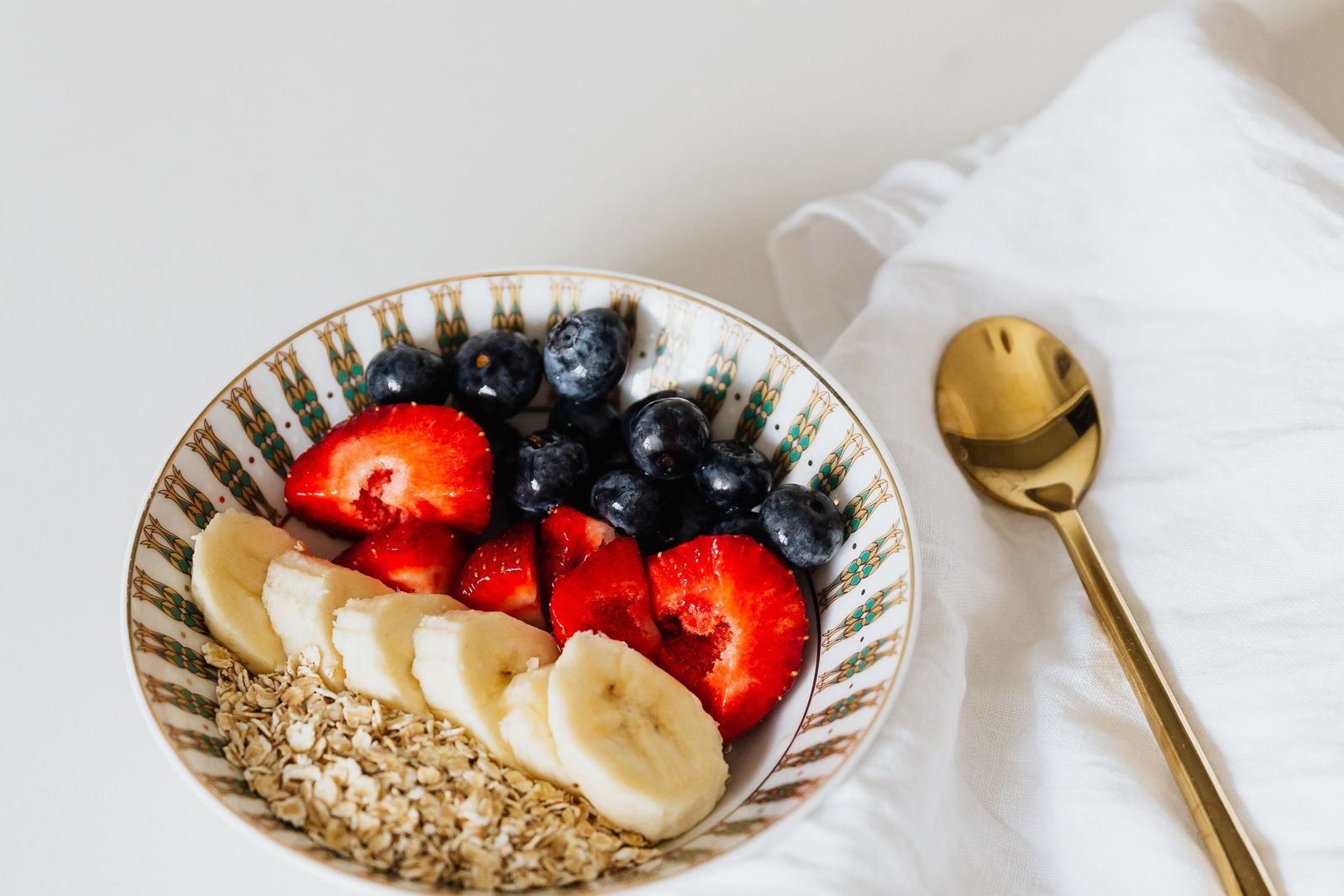
- Oats with banana and yogurt
- Toast with eggs or nut butter
- Rice with chicken or tofu and vegetables
- A smoothie with fruit and milk or soy milk
If you have less than an hour, go lighter: a banana, a slice of toast with jam or a small yogurt. Try foods in practice sessions first, never on race or test day.
During training
For sessions of about an hour or less, water is usually enough. For longer or very hard sessions, some people take in carbohydrates and fluids as they go, such as a banana, dates or a sports drink. Every body is different, so practise during training and adjust.
After training
Within a couple of hours, eat a meal with protein and carbohydrates to help recovery.
- Eggs on toast with fruit
- Greek yogurt with berries and granola
- Rice bowl with salmon, tofu or beans and vegetables
- A smoothie with milk or soy milk, banana and peanut butter
A shake is fine if a meal is not possible, but it is a convenience, not a requirement.
Hydration
Drink steadily through the day. Pale yellow urine is a rough sign you are doing well. In heat or during long sessions, sip regularly and add salty food afterwards. Drinking far more than you need does not help, so listen to thirst.
A sample training day
- Breakfast: oats with fruit, yogurt and nuts
- Lunch: chicken or lentil salad with whole grains and vegetables
- Pre-workout snack: banana and a small handful of nuts
- After training: rice bowl with protein and vegetables
- Evening: a balanced plate and a glass of water
Adjust the portions to your size, appetite and training load.
Common mistakes
- Skipping meals and then training on empty
- Trying brand-new foods right before a big session
- Relying on supplements instead of regular meals
- Eating too little overall when training a lot
- Ignoring sleep, which affects recovery as much as food
When to get advice
Speak with a doctor or registered dietitian if you have a medical condition, a food allergy, take medication, are pregnant or breastfeeding, or are training for a competition. If you feel dizzy, unusually tired or keep losing weight you do not want to lose, get it checked.
Where personal guidance helps
Matching food to your schedule and sport is easier with a plan. If you would like help with the training side, personalized guidance can take out the guesswork. This article is general education and does not replace advice from your doctor or a registered dietitian.