Plenty of people train hard and eat vegetarian. The question that comes up again and again is whether you can really build strength without meat. The answer is yes. What changes is that you need to be a little more intentional about where your protein and a few key nutrients come from.
This guide covers the basics in plain language, with ideas you can use this week.
Start with protein at every meal
Protein helps your body repair and build muscle after training. Many sports nutrition guidelines suggest that people who train regularly aim for roughly 1.4 to 2.0 grams of protein per kilogram of body weight per day, although individual needs vary. If you have kidney disease or another health condition, check with your doctor before increasing protein.
Rather than doing the math at every meal, a simple habit works well: include a palm-sized serving of a protein food at each meal and snack. Spreading protein through the day is easier to manage than trying to fit it all into dinner.
Useful vegetarian protein foods include:
- Dairy and eggs: Greek yogurt, cottage cheese, paneer, milk, eggs
- Legumes: lentils, chickpeas, black beans, kidney beans, dal
- Soy foods: tofu, tempeh, edamame, soy milk
- Other plant sources: seitan, quinoa, nuts, seeds and nut butters
Variety matters more than any single food. Eating different protein sources across the week covers your bases.
A simple plate to start with
You do not need a strict formula, but this is a handy starting point:
- About a quarter of the plate: a protein food
- About half: vegetables and fruit
- About a quarter: whole grains or starchy foods, such as rice, roti, potatoes or oats
- A small amount of healthy fat: olive oil, nuts, seeds or avocado
Adjust the portions based on your appetite, your training and how you feel.
Iron: easy to overlook
Iron helps carry oxygen in your blood, and low iron can leave you tired and affect training. Plant foods such as lentils, beans, tofu, spinach, pumpkin seeds and fortified cereals contain iron, but the type found in plants is not absorbed as easily as the iron in meat.
A few habits help:
- Pair iron-rich foods with vitamin C, such as peppers, tomatoes, citrus or berries.
- Try not to drink tea or coffee right with your main iron-rich meals, since they can reduce absorption.
- If you often feel unusually tired or worn down, ask your doctor about a blood test rather than guessing.
Vitamin B12: worth a conversation
Vitamin B12 is found mainly in animal foods such as dairy and eggs, and in fortified foods. If your diet includes little or none of these, or if you are not sure you are getting enough, talk to your doctor or a registered dietitian about testing and whether a supplement is appropriate for you.
Other nutrients to keep in mind
- Omega-3 fats: flax, chia and walnuts provide a plant form. Ask a professional if you wonder whether you need more.
- Calcium: dairy, fortified plant milks, tofu made with calcium, and leafy greens contribute.
- Zinc: beans, seeds, nuts and whole grains contain it.
You do not need to track all of these daily. Eating a varied, mostly whole-food diet covers most people well.
What a day might look like
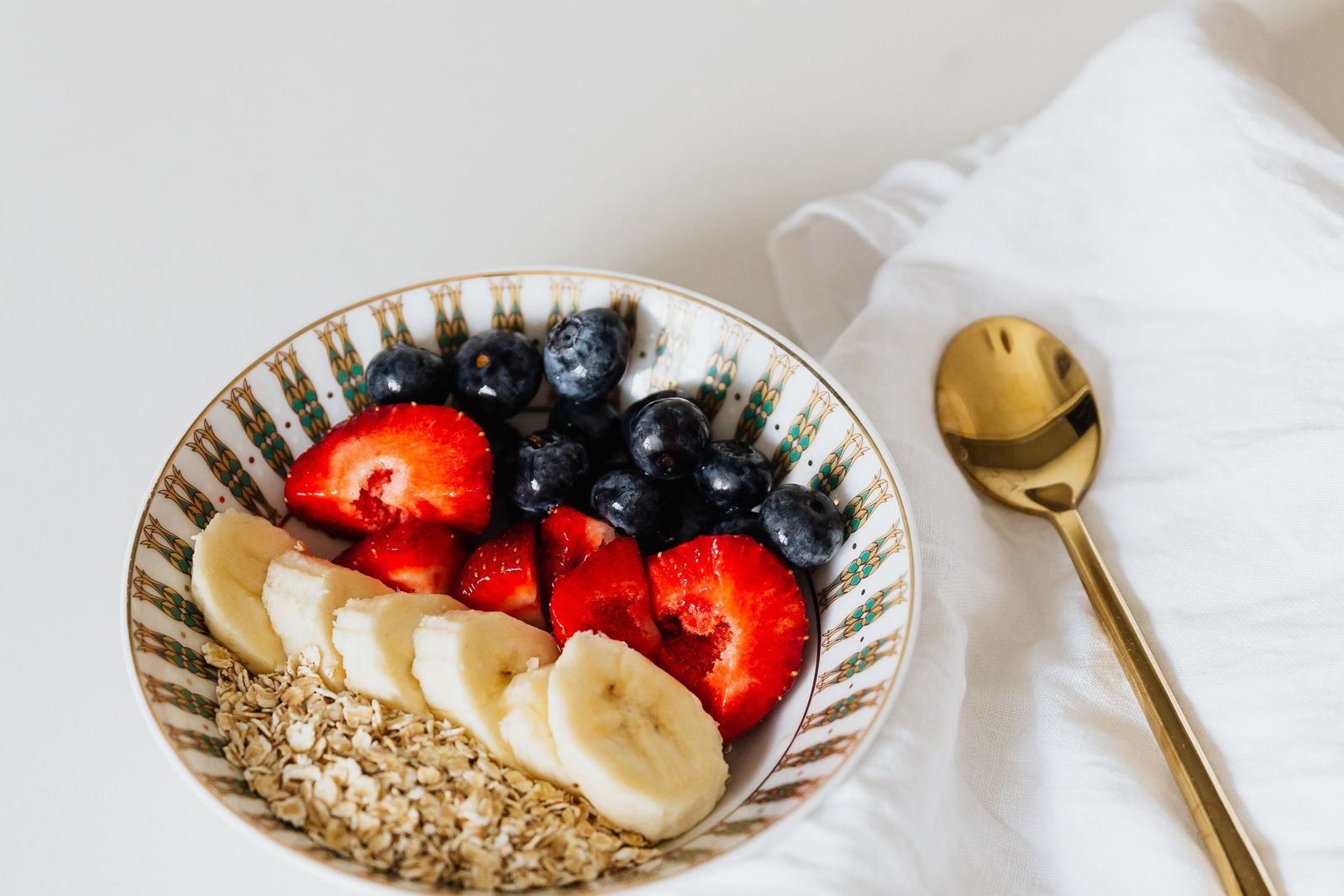
- Breakfast: Greek yogurt or soy yogurt with oats, berries and chia seeds
- Lunch: Lentil and vegetable soup with whole-grain bread and a side salad
- Snack: A boiled egg or a handful of nuts and a piece of fruit
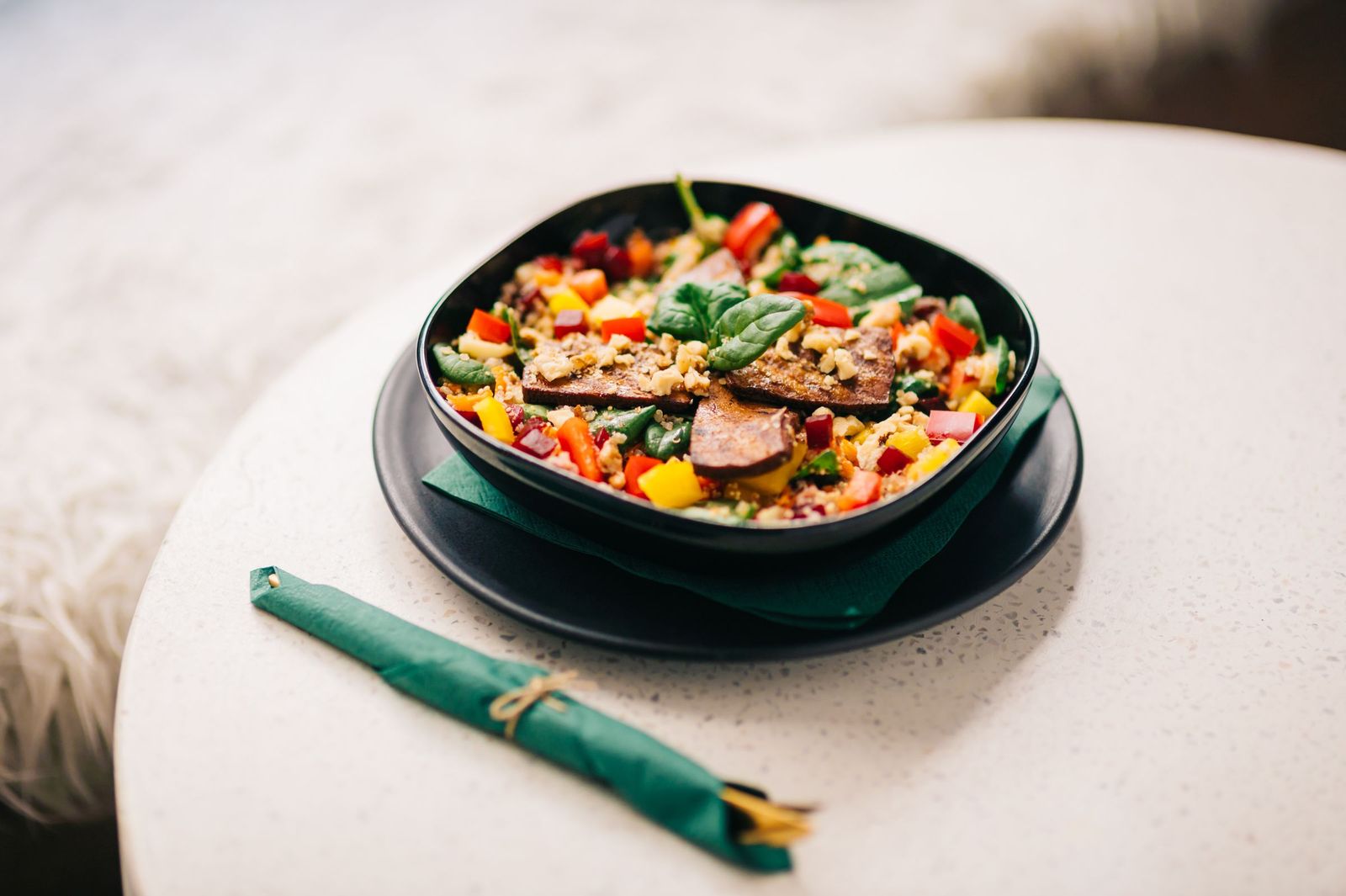
- Dinner: Tofu or paneer stir-fry with vegetables and rice
- Anytime: Water, and a protein shake only if it makes life easier
Swap in foods you enjoy. The best plan is the one you can repeat.
Common mistakes
- Leaning on carbs and cheese. Pasta, bread and cheese can fill the plate without giving you much variety in protein.
- Skipping breakfast protein. Starting the day with only toast or cereal makes it harder to catch up.
- Never checking in. If you are tired, recovering slowly or not progressing, look at your overall intake and ask a professional about testing.
- Aiming for perfect. Good enough most days beats perfect for a week.
Where personal guidance helps
If you are building a meal plan around a busy schedule, training goals or a food allergy, personalized guidance can save time and guesswork. This article is general education and does not replace advice from your doctor or a registered dietitian, especially if you have a medical condition, are pregnant or take medication.