A vegan diet can fit a very active life. The main task is making sure your meals add up to enough energy, protein and key nutrients to support your training.
This article is general education. For a plan built around your health, a registered dietitian is the right guide.
Start with enough food
Plant foods are often lower in calories for the same volume, so some people on a vegan diet find it hard to eat enough, especially when training hard. If you are tired, losing weight you do not want to lose, or struggling to recover, a larger portion or an extra snack may help.
Spread protein across the day
Muscle responds well to regular protein through the day. Aim to include a protein food at each meal.
- Soy foods: tofu, tempeh, edamame and soy milk
- Legumes: lentils, chickpeas, black beans, split peas
- Grains and seeds: quinoa, oats, hemp seeds, pumpkin seeds
- Nuts and nut butters: almonds, peanuts, cashews
- Seitan and protein-enriched foods if you enjoy them
Eating a variety of these over the day helps cover the building blocks your body needs.
Nutrients worth checking
Planning matters for a few nutrients that are easier to miss on a vegan diet:
- Vitamin B12. It is not found reliably in plant foods. Fortified foods or a supplement are usually needed, so speak with your doctor or dietitian.
- Iron. Lentils, beans, tofu, pumpkin seeds and leafy greens contain iron. Pairing them with vitamin C foods, such as peppers or citrus, helps absorption.
- Calcium. Fortified plant milks, calcium-set tofu, kale and bok choy can contribute.
- Vitamin D. In Canada's long winters, many people, vegan or not, are advised to check their levels.
- Omega-3 fats. Ground flax, chia, walnuts and hemp seeds contain a plant form. Some people also use an algae-based option.
- Iodine and zinc. Iodized salt, seaweed in small amounts, nuts, seeds and legumes can help.
A blood test and a chat with a professional is the best way to know what you actually need.
A simple vegan plate
- Half: vegetables, cooked or raw
- A quarter: protein, such as tofu, tempeh or lentils
- A quarter: whole grains or starchy vegetables
- Extras: a spoon of nuts or seeds, a healthy fat, and some fruit
Here is what each part of the plate mainly gives you:
- Protein: tofu, tempeh, lentils, beans and soy foods
- Carbohydrates: whole grains, starchy vegetables and fruit, your main fuel for training
- Fats: nuts, seeds, tahini, nut butter and a little cooking oil
- Fibre: vegetables, legumes, whole grains, fruit, nuts and seeds
Easy training-day ideas
Each idea below shows roughly what it provides. The numbers are approximate for the portions described: brands, portion sizes and cooking methods change them.
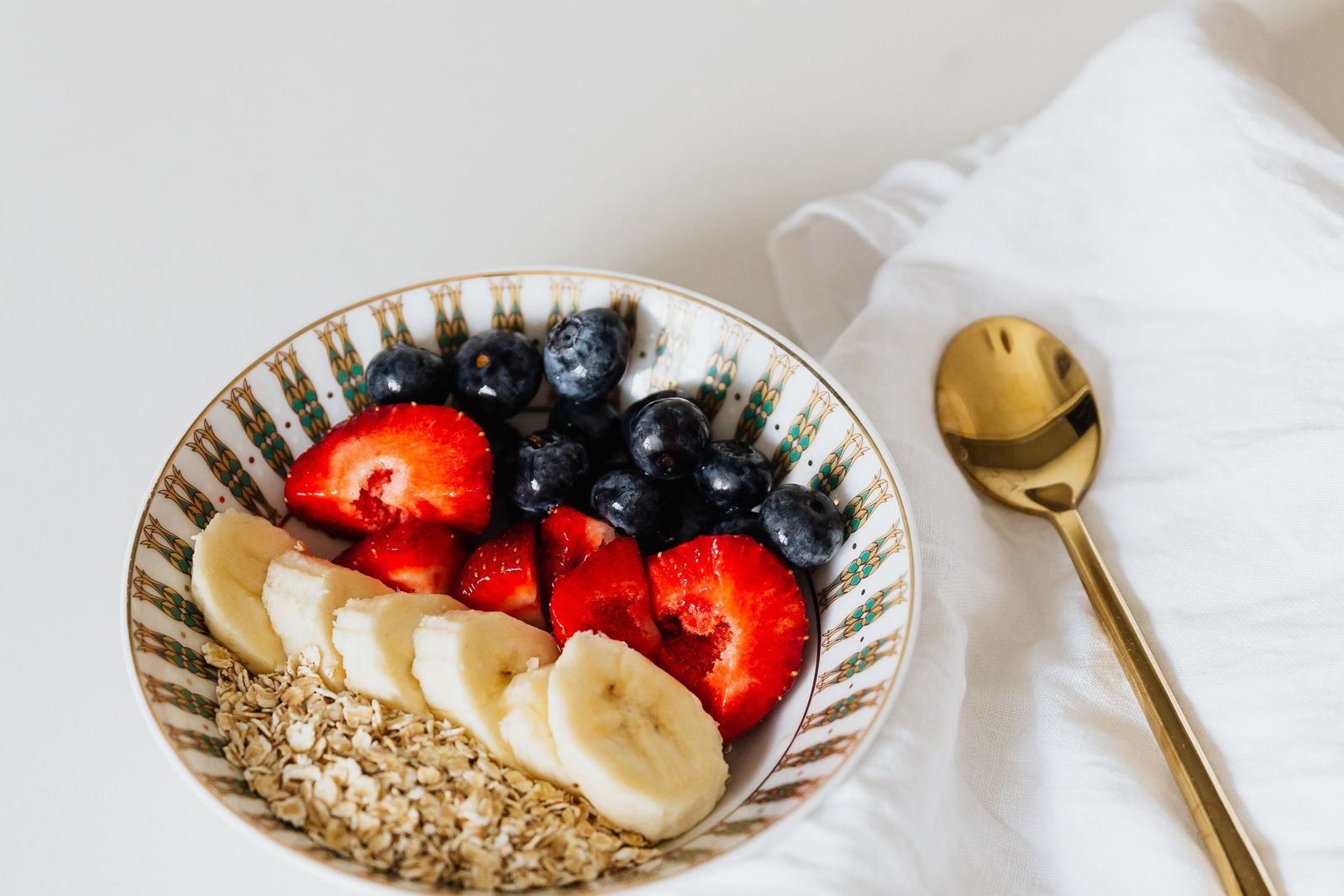
- Breakfast: oats cooked in soy milk with berries, chia and walnuts (about half a cup of dry oats, one cup of soy milk, half a cup of berries, one tablespoon of chia, two tablespoons of walnuts). Roughly 18 g protein, 50 g carbs, 20 g fats and 12 g fibre.
- Lunch: lentil and quinoa bowl with roasted vegetables and tahini (three-quarters of a cup of cooked lentils, half a cup of cooked quinoa, about a cup and a half of vegetables, one tablespoon of tahini). Roughly 22 g protein, 68 g carbs, 15 g fats and 21 g fibre.
- Snack: edamame (about three-quarters of a cup shelled). Roughly 11 g protein, 9 g carbs, 5 g fats and 5 g fibre. Hummus with veggies or a soy yogurt will give you different amounts, so check the label.
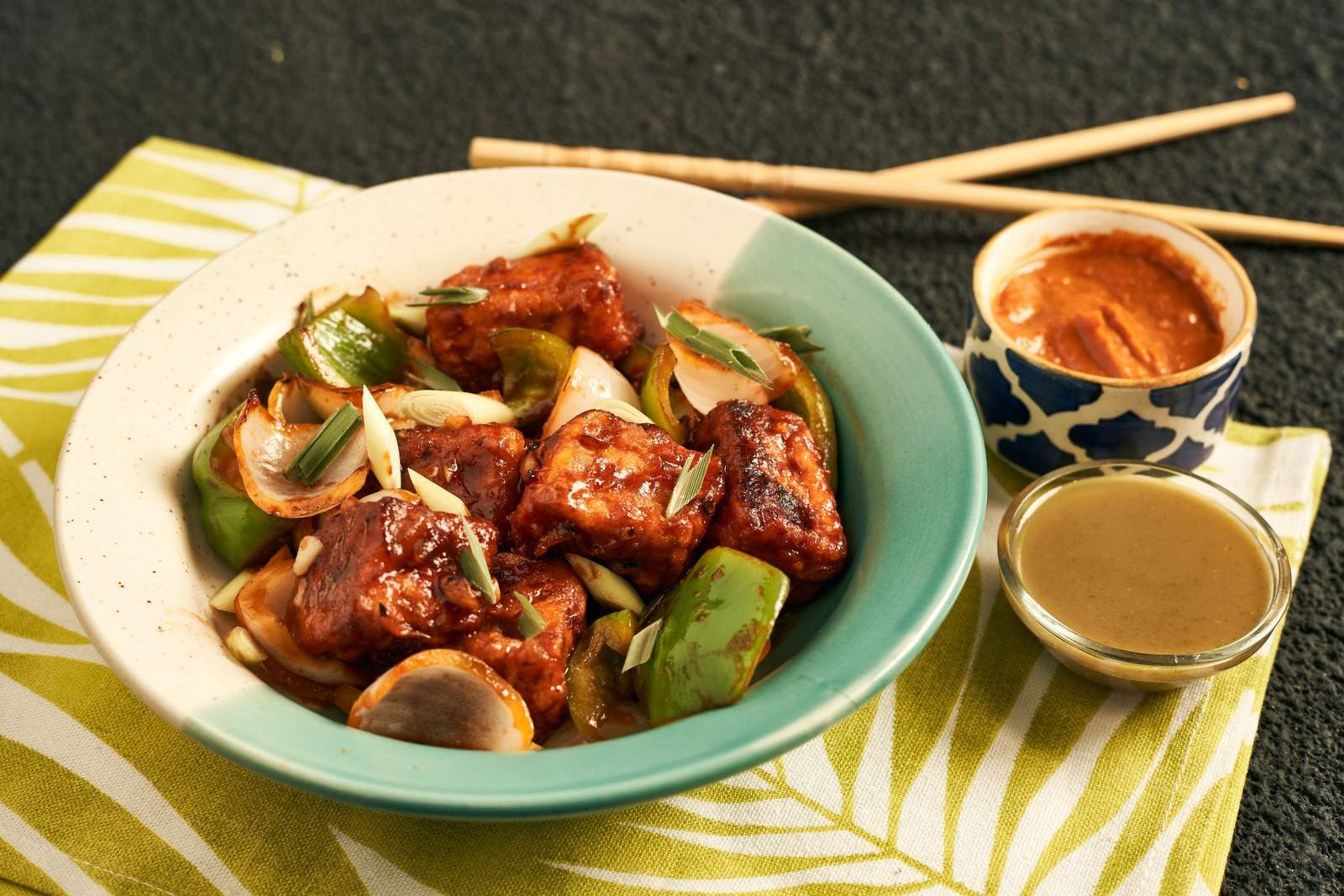
- Dinner: tofu stir-fry with vegetables and rice (about 120 g firm tofu, a cup and a half of vegetables, one cup of cooked brown rice). Roughly 30 g protein, 62 g carbs, 17 g fats and 11 g fibre.
- After training: a smoothie with soy milk, banana and peanut butter (one cup of soy milk, one banana, one tablespoon of peanut butter). Roughly 12 g protein, 34 g carbs, 13 g fats and 5 g fibre.
Your own needs depend on your size, training, age and health. A registered dietitian can set targets for protein, carbs, fats and fibre that fit you. If you are adding a lot of fibre quickly, increase it gradually and drink enough water.
Strength training still drives the result
Food supports your training, but lifting is what tells your body to build muscle. Two to three sessions a week, with steady progress in reps or weight, is a good base, whatever you eat.
Planning without stress
- Batch-cook beans, grains and tofu on the weekend.
- Keep quick protein foods on hand, such as canned beans and tofu.
- Read labels, since some vegan foods are low in protein and high in sugar.
- Check in with your energy, recovery and strength every few weeks.
When to get advice
Speak with a doctor or registered dietitian if you are pregnant or breastfeeding, planning to be, training for a competition, managing a health condition, or feeding a child a vegan diet. If you notice ongoing fatigue, dizziness or hair loss, get it checked rather than guessing.
Where personal guidance helps
A plan that fits your schedule, food choices and goals makes consistency easier. If you would like help with the training side, personalized guidance can take out the guesswork. This article is general education and does not replace advice from your doctor or a registered dietitian.