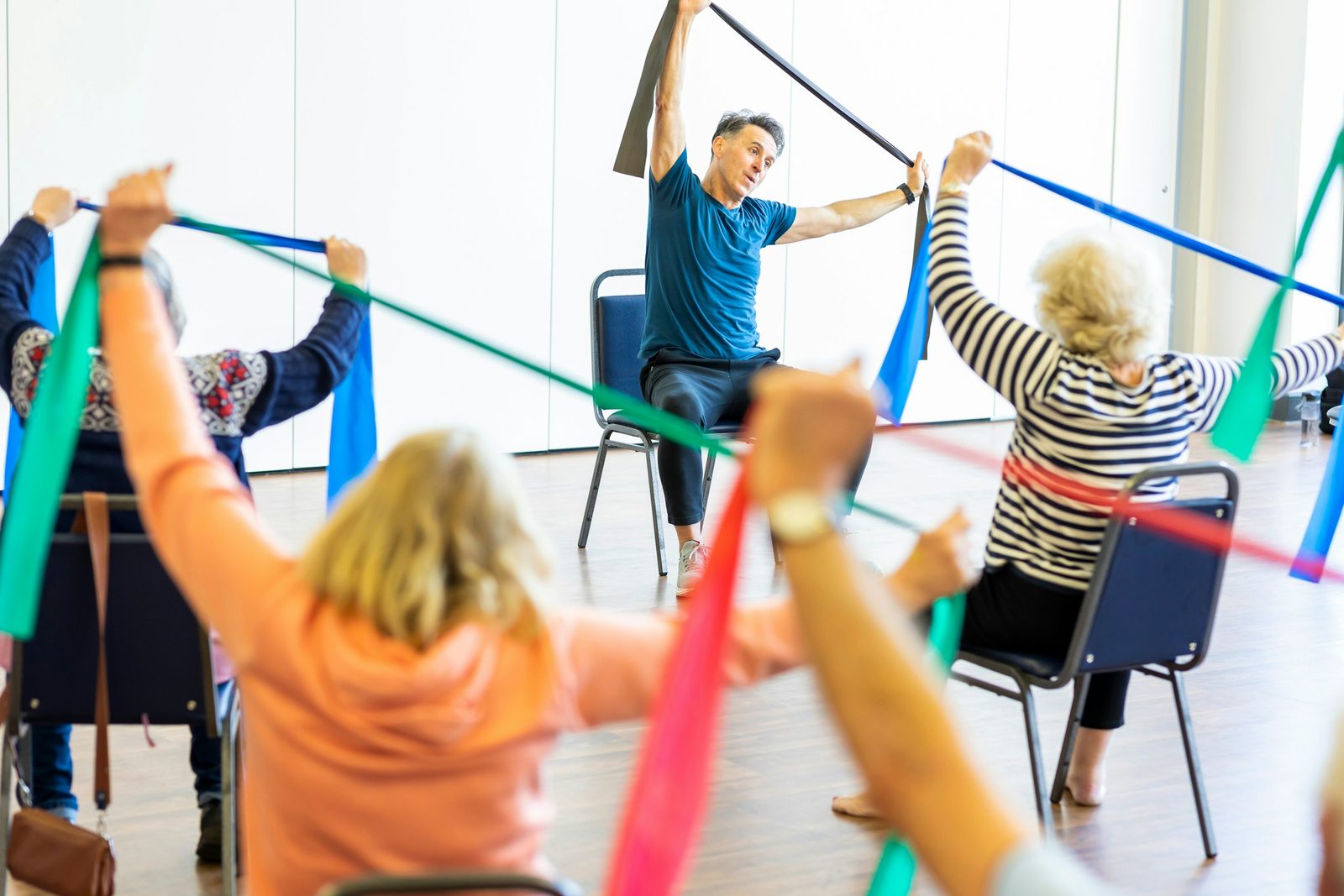
Many people reach their fifties and sixties and decide strength training is for someone else, someone younger, fitter, or more comfortable in a gym. In reality, this is one of the most useful times to start. Strength is what lets you climb stairs, carry groceries, get up off the floor and keep doing the things you enjoy.
This guide covers where to begin, what a simple week can look like, and how to build up without overdoing it.
Why strength matters more as the years go on
From midlife onward, most people gradually lose muscle unless they give it a reason to stay. Less muscle usually means less power, slower recovery and less confidence in everyday movement. The good news is that muscle responds to training at any age.
Canada's physical activity guidelines suggest that adults do muscle-strengthening activities at least two days a week, alongside regular aerobic activity. Older adults are also encouraged to include balance work. You do not need an hour in a gym to meet that. Two short, well-chosen sessions are a real start.
Before you begin
If you have a heart condition, high blood pressure, osteoporosis, recent surgery, or ongoing pain, speak with your doctor or physiotherapist before starting a new program. That is not a reason to avoid training. It is a reason to train with the right information.
Then start where you are today, not where you were ten years ago.
The six movements worth learning first
Almost every useful exercise is a variation of one of these:
- Sit-to-stand (squat pattern). Stand up from a chair and sit back down with control. This is the movement you use every day.
- Hinge. Push your hips back with a soft knee bend, like closing a car door with your hips. It protects your back and builds the backs of your legs.
- Push. A wall push-up or an incline push-up against a counter.
- Pull. A band row or a light dumbbell row, bracing one hand on a bench.
- Carry. Walk while holding a weight in one or both hands. It builds grip, core strength and posture.
- Balance and step. Stand on one leg near a wall, or step up onto a low step.
Practice each one slowly. The goal in the first weeks is smooth, controlled movement, not heavy weight.
A simple starter week
Two full-body sessions, on non-consecutive days, 20 to 30 minutes each:
- Warm up for 5 minutes with easy walking, arm circles and gentle hip and shoulder movements.
- Do one to two sets of 8 to 12 repetitions of each of the six movements, resting 60 to 90 seconds between sets.
- Finish with a few minutes of easy stretching or walking.
On other days, go for a walk or do something you enjoy. Short, regular effort works better than one big push.
How to progress
Keep it simple:
- Stay with a movement until it feels steady and controlled.
- Add one or two repetitions per set.
- When you can do the top of your rep range comfortably, add a small amount of weight, or use a slightly harder version.
- Every fourth or fifth week, ease off a little and let your body catch up.
A useful rule is to finish each set with two or three good reps still in the tank. You should feel worked, not wrecked.
Common mistakes
- Doing too much too soon. Enthusiasm is great, but tendons and joints adapt more slowly than muscles. Build gradually.
- Skipping the warm-up. Five minutes makes the first set better and the next day more comfortable.
- Chasing soreness. Mild muscle tiredness is normal. Pain that is sharp, or that lingers in a joint, is not.
- Comparing yourself with others. The only comparison that matters is you last month.
- Ignoring recovery. Sleep, regular meals and rest days are part of the program.
Effort versus pain
A muscle that feels warm and tired is working. A sharp, pinching or shooting pain, numbness, or pain that gets worse as you continue is a signal to stop that movement. If it does not settle, get it assessed by a healthcare professional.
When personal guidance helps
If you have injuries, a long break from exercise, or simply want to know you are doing the movements well, an in-person assessment can save a lot of guesswork. A good plan respects your history and your goals, and it changes as you do.