Many people wonder how much they should move during pregnancy, and what is safe. The short answer is that, for most healthy pregnancies, staying active is encouraged. The longer answer is that every pregnancy is different, so the best place to start is a conversation with your own care provider.
This guide covers what guidelines generally say, simple ways to stay active, and when to stop and get advice.
Start with your care provider
Before you begin or continue exercise, check with your doctor, midwife or other prenatal care provider. Some conditions, such as certain heart or lung conditions, a risk of preterm labour, bleeding or placenta problems, mean exercise needs to be limited or avoided. Your provider knows your history and can tell you what is right for you.
What the guidelines suggest
The Canadian Guideline for Physical Activity Throughout Pregnancy suggests that people without a medical reason to avoid it aim for about 150 minutes of moderate-intensity activity each week, spread over several days. It also encourages a mix of aerobic activity and gentle strength training, and daily pelvic floor muscle exercises.
You do not have to hit that number right away. If you are new to exercise, or feeling tired or nauseous, doing something is better than nothing, and you can build up over time.
Comfortable ways to move
Many people find these activities work well throughout pregnancy:
- Walking. Easy, free and adjustable to how you feel.
- Swimming or water exercise. The water supports your weight and keeps you cool.
- Stationary cycling. Stable and gentle on the joints.
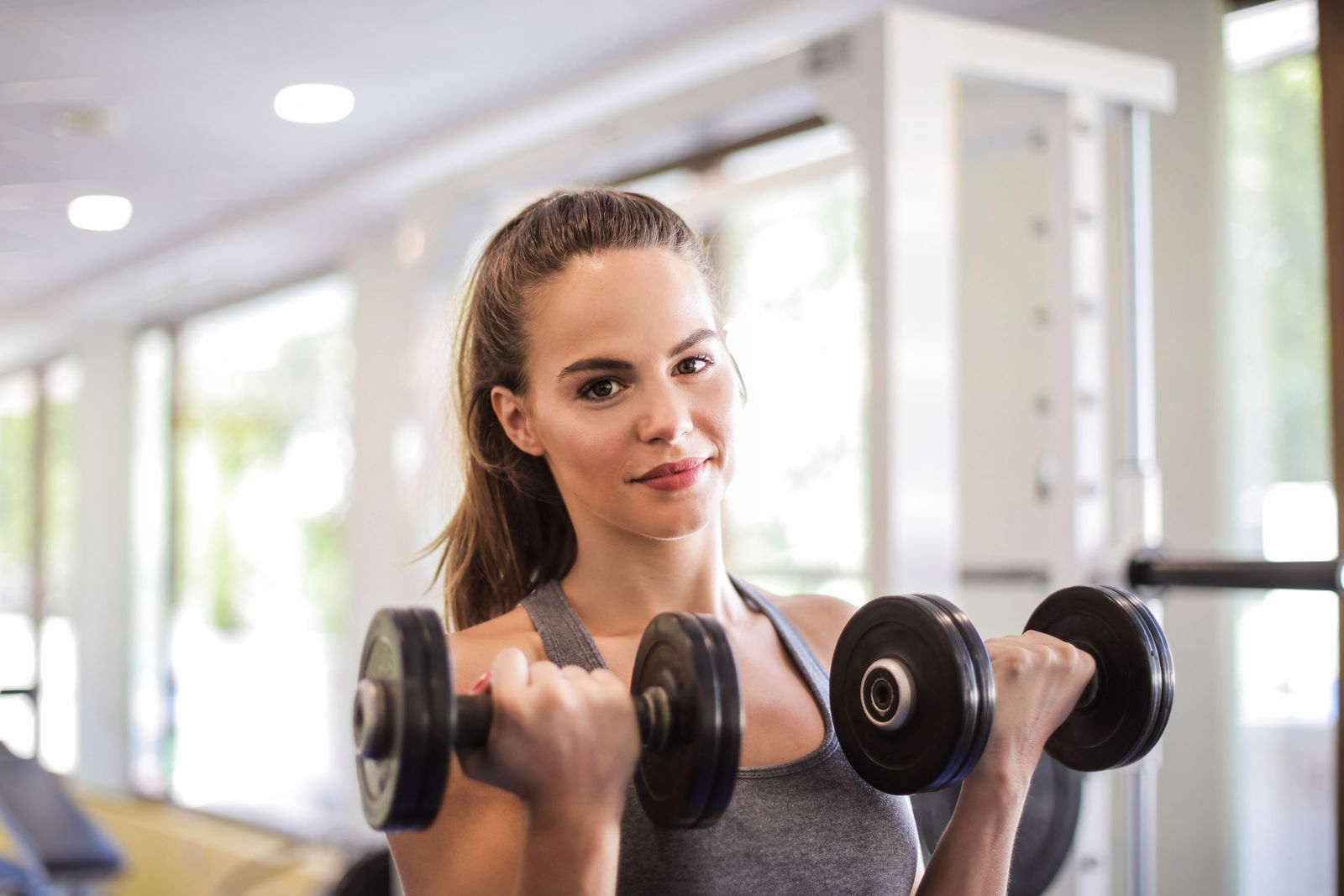
- Gentle strength training. Light weights, bands or bodyweight movements such as sit-to-stands, rows and wall push-ups.
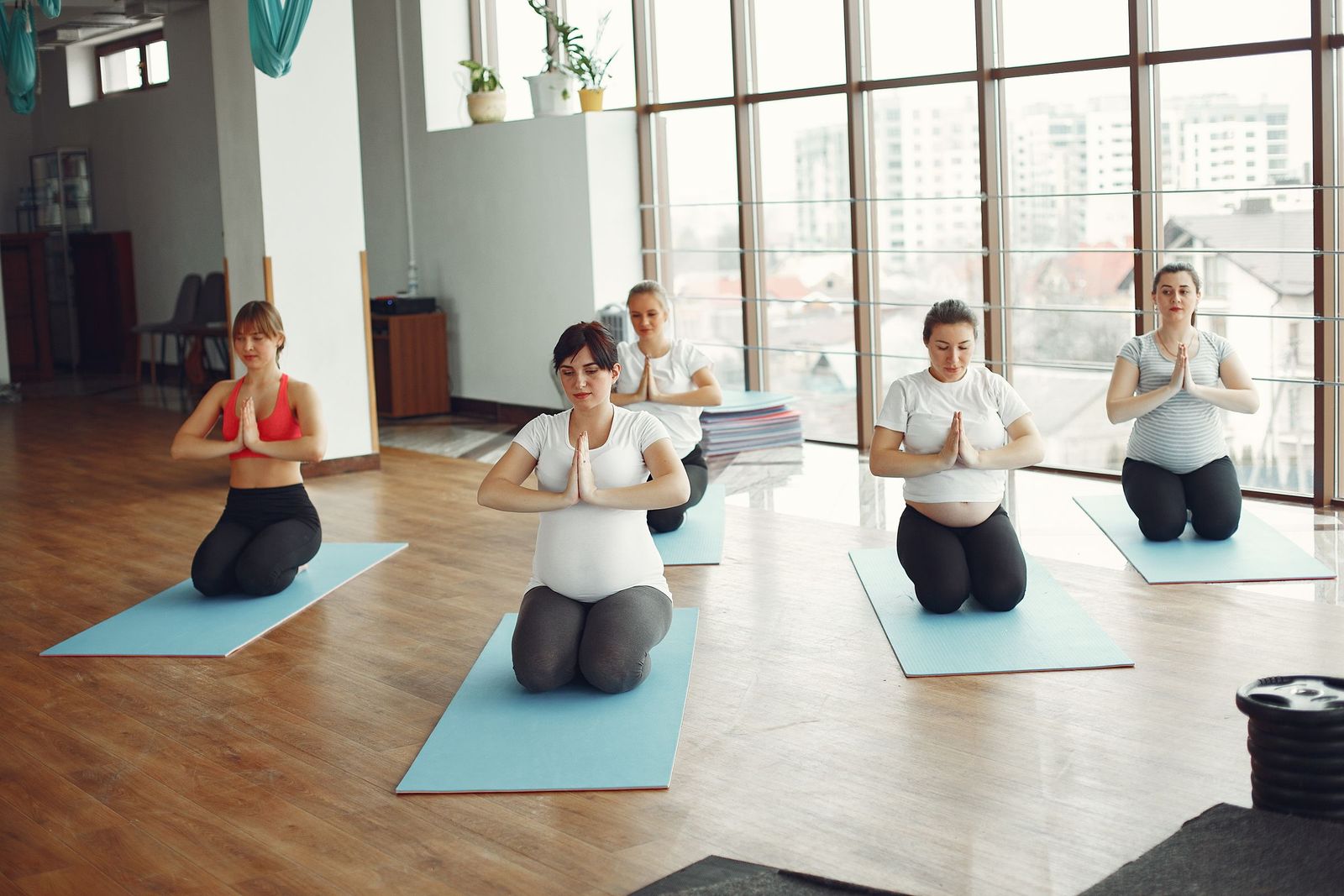
- Prenatal yoga or stretching. For flexibility, breathing and relaxation.
If you were a runner or lifter before you were pregnant, many people continue with adjustments. Ask your care provider what is appropriate for you and how to modify as your body changes.
Use the talk test
You do not need a heart rate monitor. If you can talk during your activity, but not sing, you are probably at a moderate intensity. If you cannot speak in full sentences, slow down.
Common sense adjustments
- Drink water before, during and after activity.
- Avoid overheating: wear light clothing, and skip very hot or humid conditions.
- Wear supportive shoes and a good support bra.
- As your belly grows and your balance changes, choose activities with a low risk of falls or contact, and slow down on stairs and uneven ground.
- Warm up gently and cool down.
- Rest when you need to. Some days will feel better than others.
Pelvic floor
The pelvic floor muscles support your bladder, uterus and bowel. Daily pelvic floor exercises, sometimes called Kegels, are recommended during pregnancy. If you are unsure how to do them, or have leaking, pressure or pain, a pelvic health physiotherapist can help.
Warning signs: stop and contact your care provider
Stop exercising and contact your care provider if you notice any of these:
- Vaginal bleeding
- Regular, painful contractions
- Leaking fluid
- Dizziness or feeling faint
- Chest pain
- Unusual shortness of breath before you start
- Calf pain or swelling
If you are unsure about a symptom, call your provider. It is always okay to ask.
After the baby arrives
Recovery is different for everyone. Ask your care provider when you are ready to exercise again, which can depend on how you gave birth and how you feel. When you are cleared, start gently:
- Begin with walking and pelvic floor exercises.
- Add light strength movements slowly, paying attention to your core and pelvic floor.
- Build up gradually, rather than trying to return to your old routine right away.
- Notice leaking, pressure, pain or a bulge. If you do, talk to your care provider or a pelvic health physiotherapist.
- Sleep, nutrition and support all matter, and so does being kind to yourself.
One pregnancy is not another
It is easy to compare yourself to friends, social media or your last pregnancy. Your body and circumstances today are what matter, so adjust and listen to them.
Where personal guidance helps
If you would like help choosing safe, comfortable movements, or planning a return to training after birth, a trainer with prenatal and postnatal education can work alongside your care provider. This article is general education and does not replace medical advice. Always follow the guidance of your doctor or midwife.