Some people avoid gluten or lactose because of a diagnosed condition, others because certain foods upset their stomach. Either way, you can eat well, recover well and train hard. It just takes a little planning.
This article is general education, not medical advice. If you have symptoms or a diagnosis, work with your doctor and a registered dietitian.
First, find out what is going on
Bloating, cramps or tiredness have many causes. Celiac disease, gluten sensitivity, lactose intolerance and a milk allergy are different conditions with different needs. If celiac disease is a possibility, testing usually requires that you are still eating gluten, so please speak with your doctor before you remove it.
What each term means
- Gluten is a protein in wheat, barley and rye.
- Lactose is the natural sugar in milk and many dairy foods.
- Gluten-free and lactose-free are separate needs. Some people need one, some both.
Foods that are naturally fine
- Protein: eggs, fish, poultry, meat, tofu, tempeh, lentils, beans (check processed versions)
- Carbohydrates: rice, potatoes, sweet potatoes, corn, quinoa, oats labelled gluten-free, fruit
- Dairy alternatives or lactose-free dairy: lactose-free milk and yogurt, fortified soy milk, hard aged cheeses for many people
- Everything else: vegetables, nuts, seeds and healthy oils
Whole foods are usually safer and cheaper than specialty products.
What to plan for
- Protein. Aim for a protein food at each meal to support training and recovery.
- Carbohydrates. Rice, potatoes, quinoa and fruit give you plenty of fuel without gluten.
- Calcium and vitamin D. If you avoid dairy, include fortified drinks, calcium-set tofu or canned fish with bones, and ask your doctor about vitamin D.
- Fibre. Gluten-free products are often low in fibre, so include beans, vegetables, fruit, nuts and seeds.
- B vitamins and iron. Many wheat products are fortified, so think about replacing those nutrients if you remove them.
Reading labels
Gluten can hide in sauces, soups, seasonings, processed meats and snacks. Lactose can appear in baked goods, protein bars and powders. Check the ingredient list and allergen statement, and look for "gluten-free" labelling in Canada if you must avoid it strictly. Ask when eating out and mention cross-contact.
Easy meal ideas
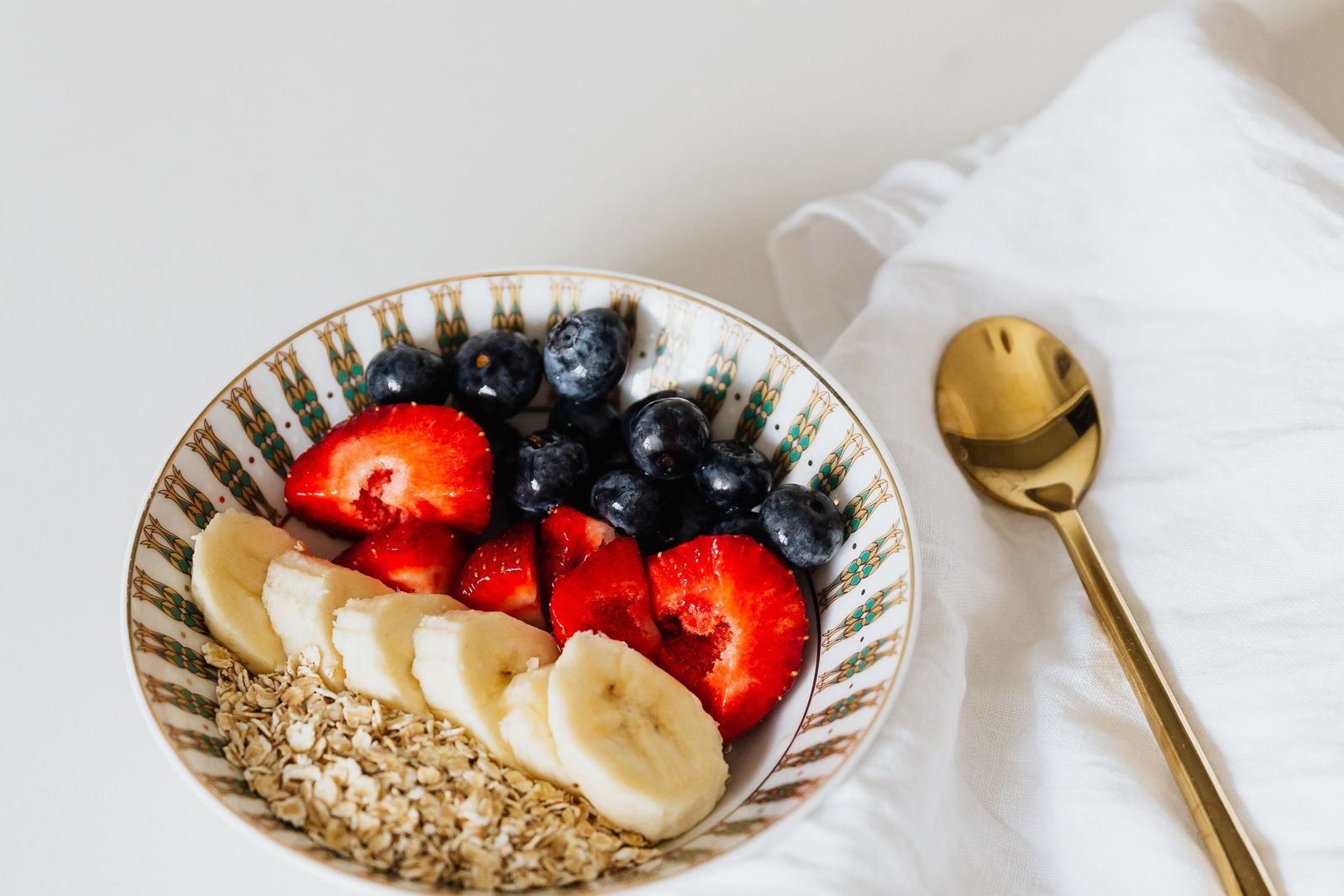
- Breakfast: eggs with potatoes and spinach, or oats labelled gluten-free with lactose-free yogurt and fruit
- Lunch: rice bowl with chicken or tofu, vegetables and tahini
- Snack: fruit with nut butter, rice cakes with hummus
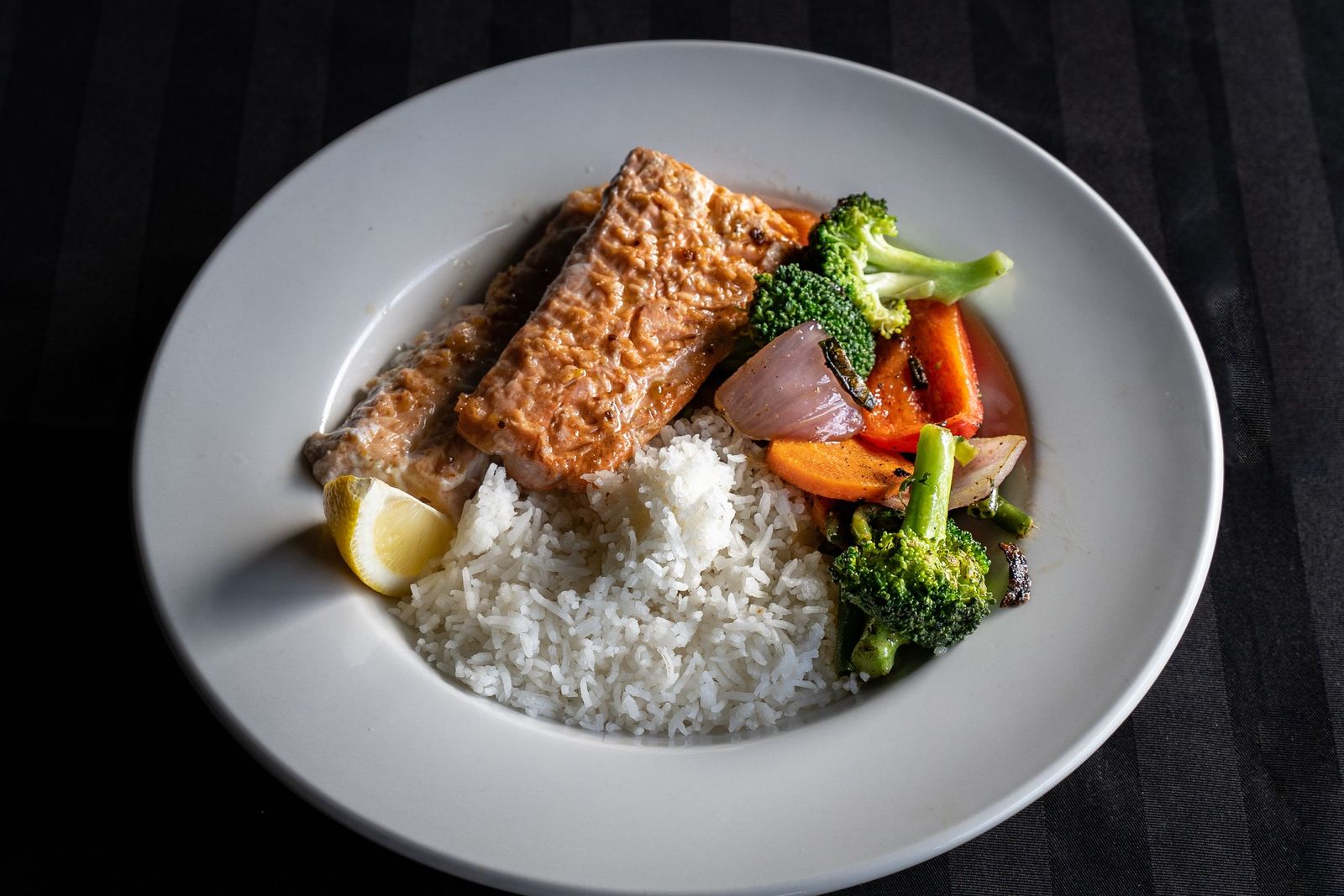
- Dinner: salmon with sweet potato and greens, or lentil curry over rice
- After training: a smoothie with lactose-free milk or soy milk, banana and peanut butter
Training and recovery tips
- Keep eating enough overall. Cutting foods can accidentally cut calories.
- Check protein powders and bars for gluten and lactose.
- Carry safe snacks so you are not stuck with limited choices after training.
When to get advice
See your doctor if symptoms are severe, you lose weight unintentionally, you notice blood in your stool or you have any reaction that could be an allergy. A registered dietitian can build a plan around your diagnosis and your training.
Where personal guidance helps
A plan that respects your diet and fits your week makes training easier to stick with. If you would like help with the exercise side, personalized guidance can take out the guesswork. This article is general education and does not replace advice from your doctor or a registered dietitian.