Everyone has heard of someone who dropped a lot of weight in a few weeks, then gained it all back. Crash plans are tempting because they promise speed. The trouble is that they are usually hard to keep up, which is why many people end up back where they started.
If your goal is to lose fat and keep it off, a calmer approach tends to work better. Here is how to think about it.
Fat loss is not the same as weight loss
The scale measures everything: fat, muscle, water, food in your gut. What most people really want is less body fat while keeping, or even building, muscle. That is why how you lose matters as much as how much.
Why crash plans backfire
Extreme calorie cuts and very restrictive plans can leave you hungry, tired and short on protein, which makes it easier to lose muscle along with fat. They are also hard to follow when life gets busy, so progress often stalls or reverses.
A better question than "what is the fastest way?" is "what can I actually keep doing for months?"
The basics that do most of the work
- A modest gap between what you eat and what you use. You do not need to eliminate foods. A small, steady gap is easier to live with than a big one.
- Enough protein. Protein helps you feel full and supports muscle while you lose fat. Include a protein food at each meal.
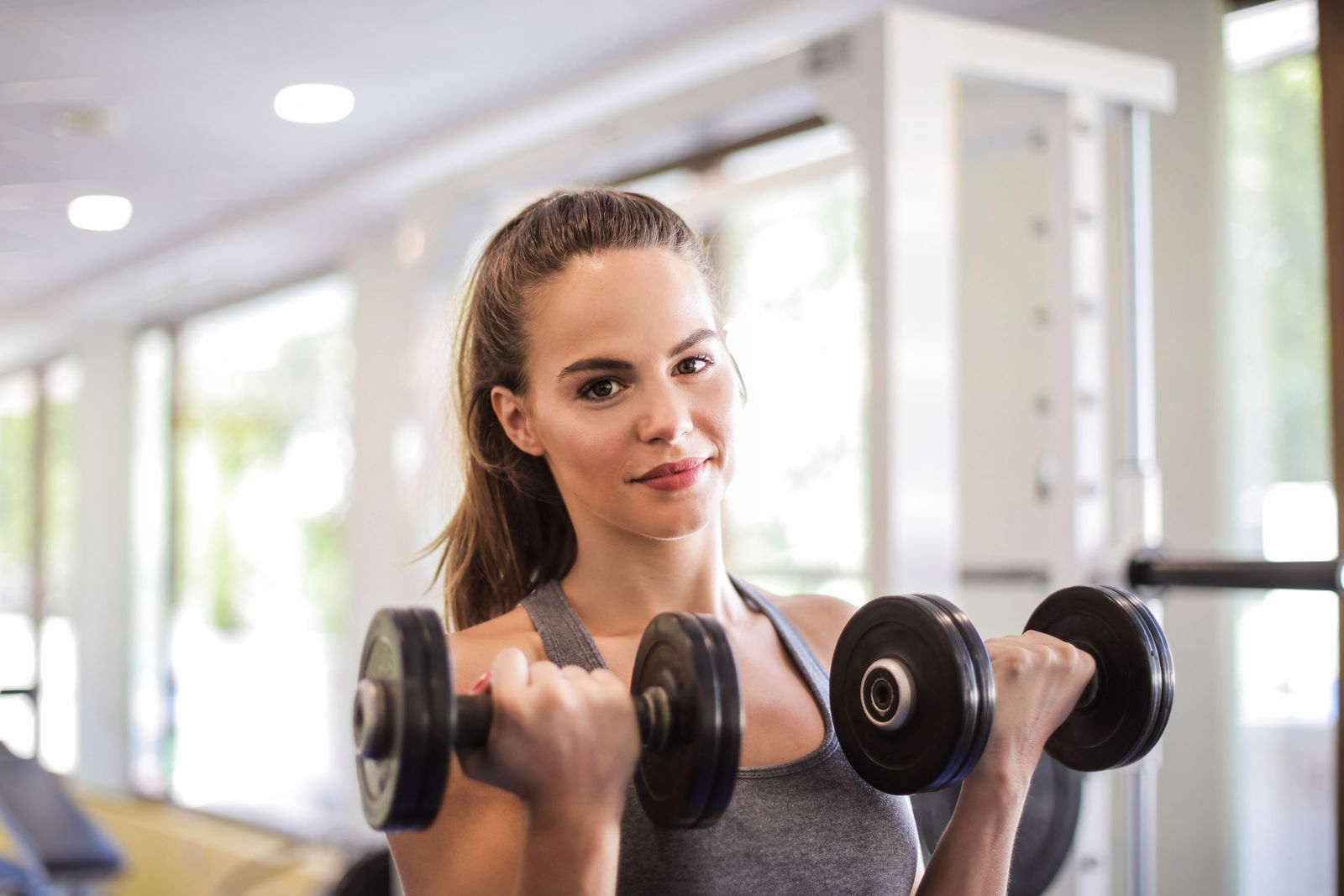
- Strength training. Two to three sessions a week tell your body to hold on to muscle. This is one of the most useful things you can do during fat loss.
- Daily movement. Walking more, taking the stairs and standing up often all add up, and they are easier to sustain than extra hard workouts.
- Sleep. Poor sleep makes hunger and cravings harder to manage. Protect your sleep as part of the plan.
A realistic pace
How fast you lose depends on many things, including your starting point, age, medications and routine. Many people find that aiming for roughly half to one percent of body weight per week at most is sustainable, and slower is fine. Weight also goes up and down day to day, so judge progress over weeks, not days.
Strength training protects what you want to keep
When you lose weight without lifting, a larger share of what you lose can be muscle. Strength training gives your body a reason to keep it. You do not need heavy weights to start: bodyweight, bands and light dumbbells all work, and progress comes from adding a rep or a little load over time.
Steps and everyday movement
Many people underestimate how much walking contributes. A daily walk, or a step goal that fits your life, is gentle on your joints and easy to repeat. Start with a small increase to what you do now and build from there.
Everyday food habits
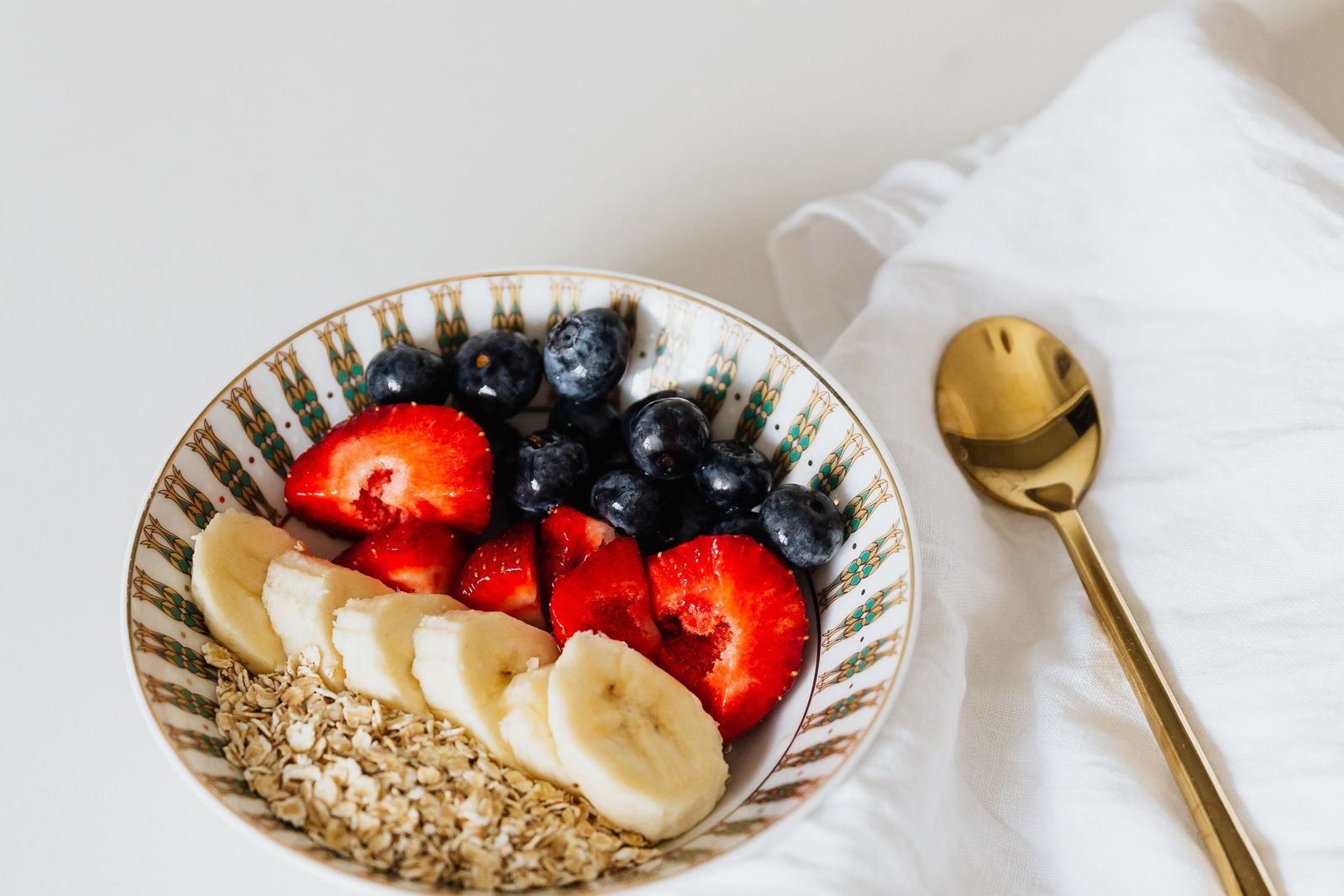
- Build meals around a protein food, vegetables and a source of fibre.
- Choose mostly whole foods, but leave room for foods you enjoy.
- Drink water, and pay attention to liquid calories.
- Eat slowly enough to notice when you are full.
- Plan ahead for busy days so you are not relying on whatever is closest.
No single food makes or breaks fat loss. Patterns matter more than one meal.
When progress stalls
Plateaus are normal. Before changing everything, check the basics:
- Are you still getting protein at most meals?
- Are you sleeping enough and moving most days?
- Are you measuring in more ways than the scale?
Small adjustments, such as a few extra steps or a slightly firmer routine, are usually better than a big cut.
Track more than the scale
Take measurements, notice how your clothes fit, record your strength in the gym, and pay attention to energy and mood. These often improve before the scale does, and they keep you motivated.
When to be careful and get advice
Speak with your doctor or a registered dietitian before starting a fat loss plan if you have a medical condition, take medication, are pregnant or breastfeeding, or are managing your weight for health reasons. If dieting has ever felt out of control, or you have a history of disordered eating, please talk to a health professional before restricting your food.
Where personal guidance helps
A plan that fits your schedule, joints, food preferences and goals is easier to stick with. If you would like help building one, personalized guidance can take out the guesswork. This article is general education and does not replace advice from your doctor or a registered dietitian.